

Stop Selling Condos. Start Selling a Lifestyle.
Part of an exclusive Miami Vibes editorial series, the Futur of Luxury Living, presented in partnership with Amy Ballon, Founder of Ballon Development Consultants and Miami Vibes Trusted Advisor — Luxury Development Strategy.
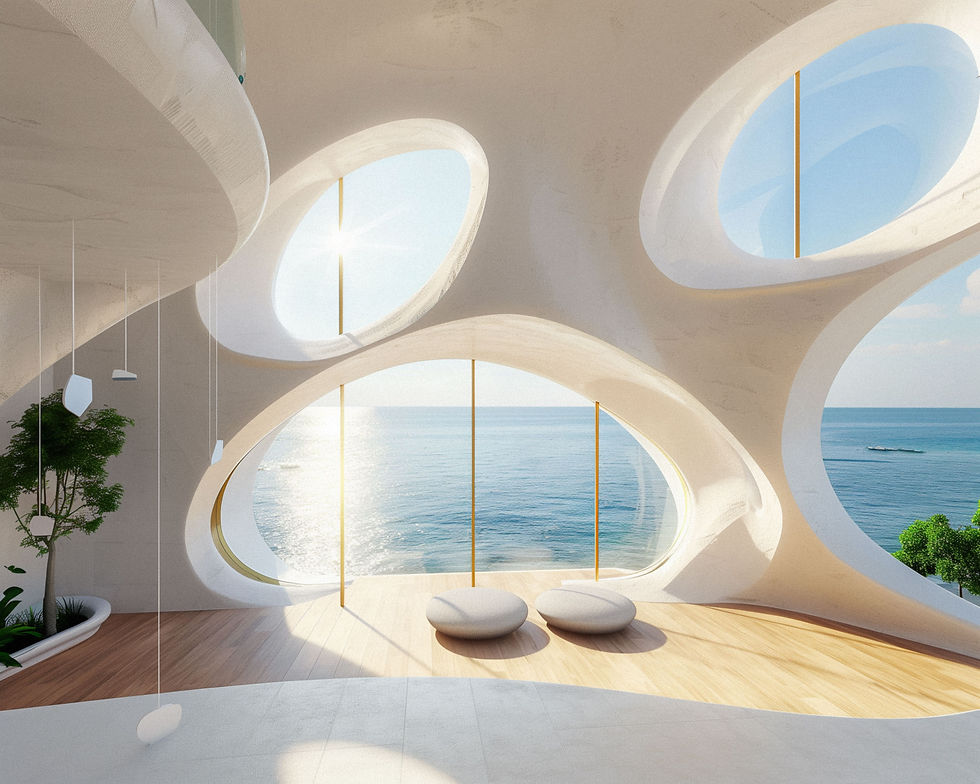
Ocean views get attention. The life buyers imagine beyond
the balcony is what makes them fall in love.
The marble is gorgeous. The ceilings are soaring. The kitchen looks like it has never encountered a dirty dish, and, depending on the buyer, perhaps it never will. But once you’ve toured a few luxury condominiums, the beautiful things can start to blur together. Another waterfall island. Another spectacular terrace. Another bathroom that makes your current one feel like a personal failure. So what makes someone stop browsing and start imagining their life there?
According to luxury development advisor Amy Ballon, the answer begins with what happens beyond the front door.
“Today’s buyers aren’t simply buying a condominium; they’re buying how they want to live every day,” she explains. “They’re looking for wellness, convenience, service, community, and experiences, all within the place they call home.”
In other words: congratulations on the beautiful building. Now tell us what Tuesday looks like.
Sell Me My Tuesday

A vacation is easy to romanticize. Everyday life takes a little more imagination.
Where do you get your morning coffee? Can you walk to dinner? Is wellness something you have to schedule across town, or something built into your day?
And when you feel like being social, does that require a group chat, three reservations, and a minor logistical miracle?
These are the details that turn an impressive address into an appealing way to live.
Amy points to a shift she has observed in the Florida market since the pandemic: alongside second- and third-home buyers, more people are considering a permanent move. That changes the conversation.
A residence that works beautifully for a few weekends a year has a different job from one that needs to support someone’s entire routine.
In Amy’s view, that helps explain the emphasis on branded residences (Like Elle Residences), walkability, wellness, and community across South Florida and Florida’s west coast. Buyers want those experiences within their buildings, or close enough to become part of daily life.
The question becomes less “Could I vacation here?” and more “Would I love waking up here on a perfectly ordinary Wednesday?”
The Relationship Starts in the Sales Gallery
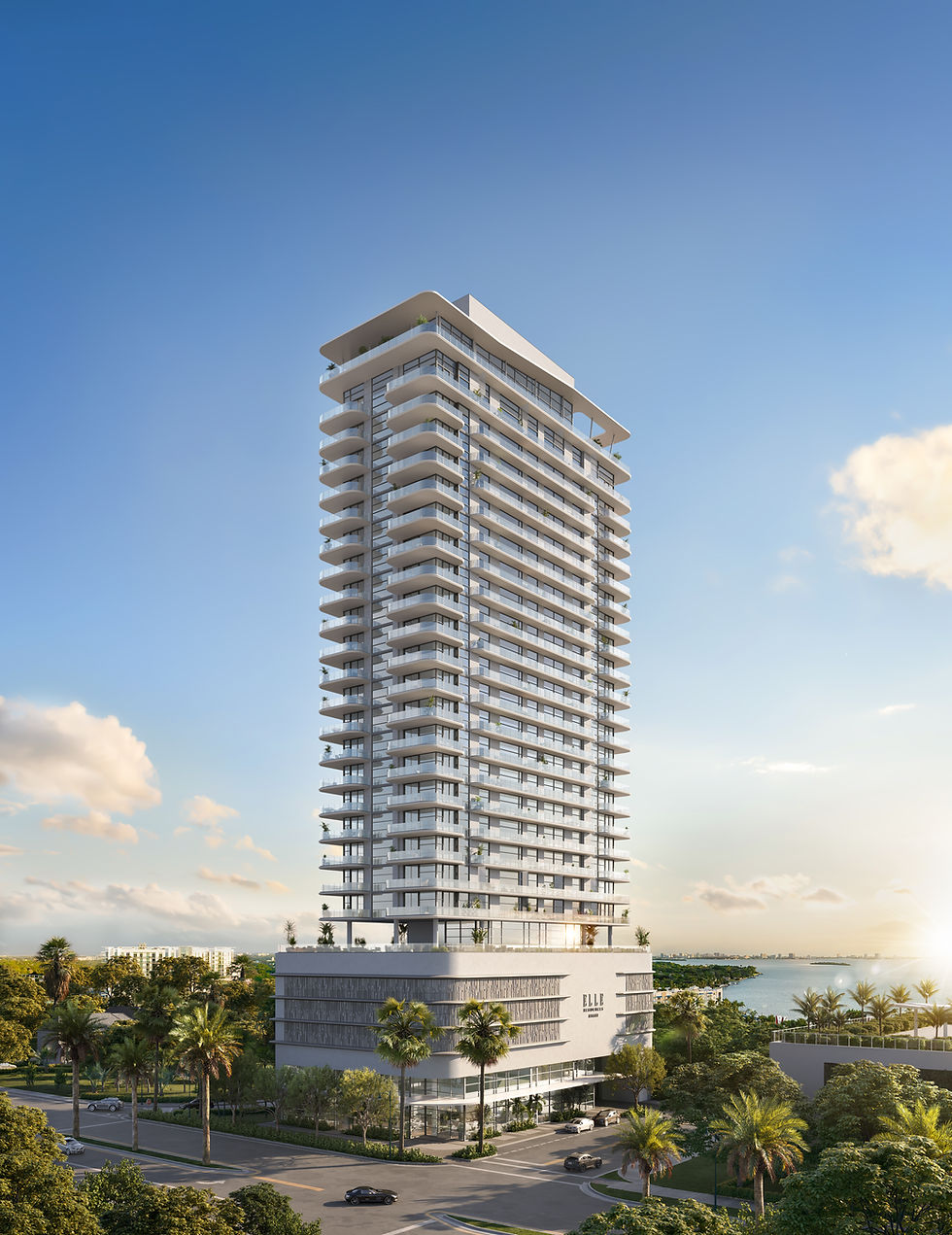
Long before a buyer moves in, the development has already made its first impression. And no, a miniature building behind glass cannot do all the emotional heavy lifting. Amy sees the sales gallery as the place where a future lifestyle begins to feel believable. The presentation, surroundings, and conversation set the tone for the buyer’s relationship with the project.
“It is the story, experience and authenticity they have during their sales presentation that will connect them to the development,” she says.
That means a sales team needs to do more than recite dimensions and point enthusiastically toward the imaginary pool. The story should help buyers understand how the property fits their lives. What feels distinctive? What feels useful? What can they picture themselves enjoying?
As Amy explains, messaging helps translate a dream into something that will eventually become reality. The important word here is authenticity. A convincing lifestyle story needs a development that can actually deliver it.
Pretty Buildings Still Need a Plan
Can a gorgeous building struggle to sell? Absolutely. Beauty has many talents. Correcting an unrealistic pricing strategy is not one of them. Amy is careful to explain that a project’s success depends on several connected decisions. Understanding the buyer, studying competing properties, setting a realistic price, and preparing a capable sales team all matter.
A strong lifestyle identity supports that work. It cannot magically replace it. In her assessment, a thoughtfully positioned building with appropriate pricing, effective marketing, and a well-trained on-site team has a stronger foundation for success. A beautiful property with limited amenities, an inflated price, and no clear audience faces a much harder sell.
Think of it this way: even the best-looking person at dinner needs something to contribute to the conversation.
When Wellness Becomes the Reason to Buy
One project that brought this idea into focus for Amy was Canyon Ranch Living Miami Beach. She recalls selling the development in a neighborhood that was still transitioning. The location alone did not make every conversation effortless. But the combination of ocean frontage, brand recognition, wellness programming,
and a 65,000-square-foot spa created a clear proposition.
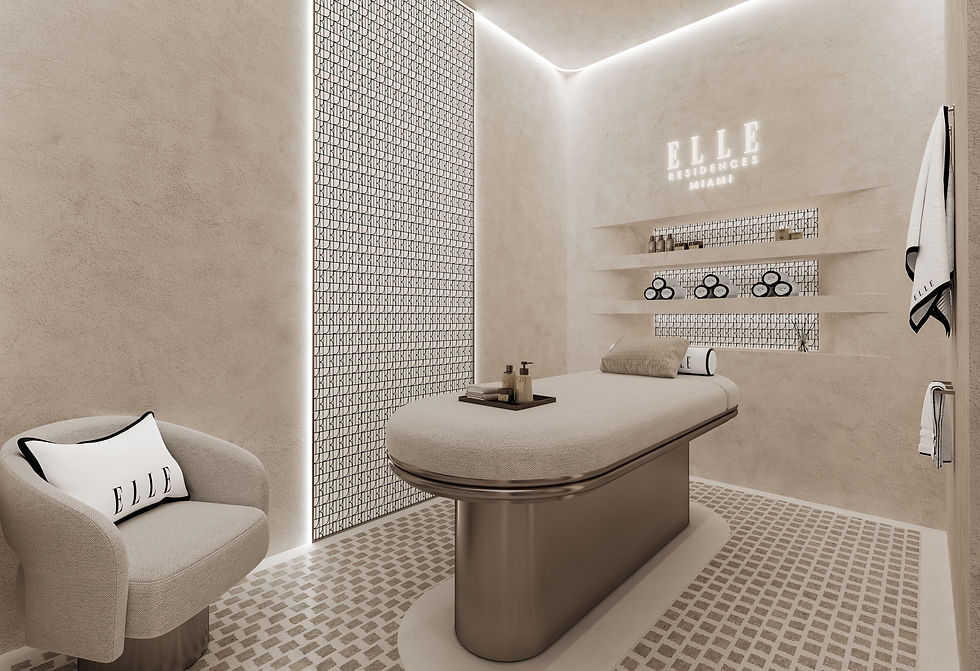
Buyers could understand the experience they were being invited into. Amy also credits the sales gallery, designed by David Rockwell, with helping communicate that promise from the moment prospective owners entered.
She does not describe the sales process as easy. That distinction matters. Even a compelling concept requires work. But Canyon Ranch gave the conversation a meaningful center: a home where wellness could become part of everyday life.
The ocean was beautiful. The possibility of living differently gave buyers something more to consider.
Before the Brochure, Define the Buyer
If Amy could move one conversation earlier in the development process, it would be this: Who is going to live here?
Before the campaign. Before the launch party. Before someone spends three weeks debating whether the brochure should be ivory or slightly warmer ivory. Her advice is to define the likely buyer and examine the market carefully. What is succeeding? What is struggling? How will this project compare, and what will make its proposition credible?
Those answers should help shape the identity and story before sales begin. Because “luxury” is a description. It still needs details. A buyer should be able to picture the morning, the neighborhood, the welcome home, and the small conveniences that make an ordinary day feel better. Show them the view, certainly.
Then give them a reason to imagine staying.


Comments