

From Runway to Residence: How Fashion Is Reshaping Miami’s Skyline
As Miami Fashion Week returns, some of the city's biggest fashion statements
aren't walking down the runway. They're rising above it.
In Miami, fashion has never been particularly interested in staying in the closet. And now, apparently, it wants the whole condo. As Miami Fashion Week returns October 13–17, the city will once again turn its attention to designers, collections and what's coming next. But look beyond the runway and you'll find another fashion movement happening several hundred feet above street level. ELLE. Dolce&Gabbana. Missoni. Armani. Fendi. Some of the biggest names in fashion and design have made their way into Miami real estate, translating recognizable aesthetics into lobbies, residences, furnishings, amenities and entire buildings. Because why stop at wearing the label when you can live in it?
Welcome to Miami, where your closet and your condo can
apparently have the same stylist.
When Fashion Gets a Set of Keys
Branded residences aren't new to Miami. Luxury hospitality names have been attached to residential towers for years. But fashion brings something different. A fashion house isn't simply selling service or amenities.
It's selling an aesthetic, a point of view and, perhaps most importantly, an identity.
Think about it.
You don't walk into Dolce&Gabbana expecting beige minimalism and a sensible throw pillow. You don't hear Missoni and imagine a sudden fear of color. And Giorgio Armani didn't build a global reputation by being visually chaotic.
These brands already have distinct design languages. Now they're speaking them in square feet.
ELLE Residences Miami:
The Magazine Leaves the Coffee Table
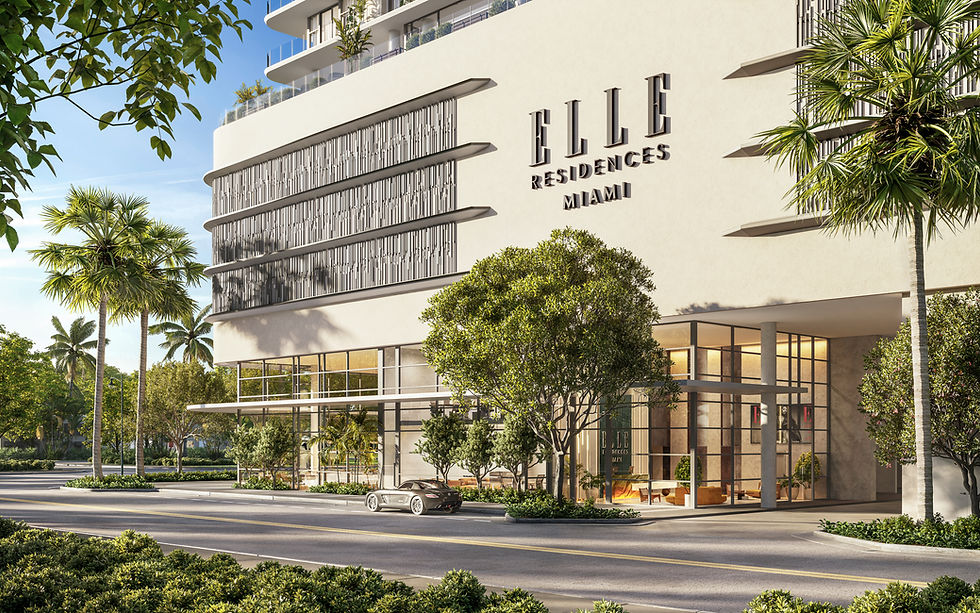
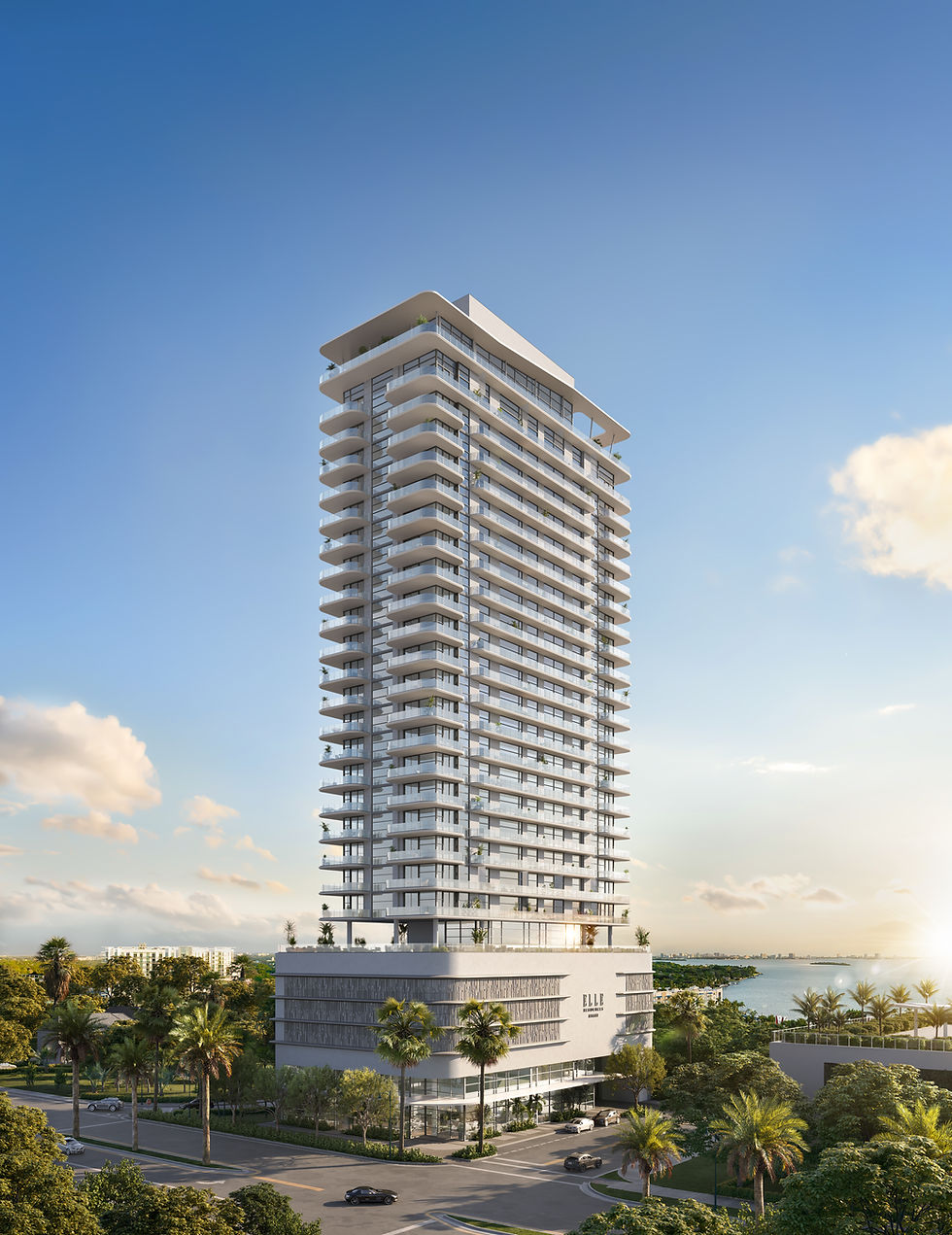
If any project understands the connection between editorial and interiors, it's probably this one. ELLE Residences Miami marks the ELLE brand's first residential development, bringing its fashion and lifestyle perspective to Miami's Edgewater neighborhood. The project describes its interiors as a combination of mid-century modern design, contemporary French chic and tropical influences.
In other words: Paris met Miami, ordered a glass of Champagne and decided to stay. The concept goes beyond simply putting ELLE's name on the building. The residences and common spaces are designed to evoke the visual storytelling associated with the brand: fashion, travel, interiors and that effortlessly polished lifestyle magazines have been convincing us we could achieve since approximately forever. It's fashion-editorial thinking translated into a physical environment. Instead of flipping through the pages, you're stepping inside them.
888 Brickell by Dolce&Gabbana:
More Is More
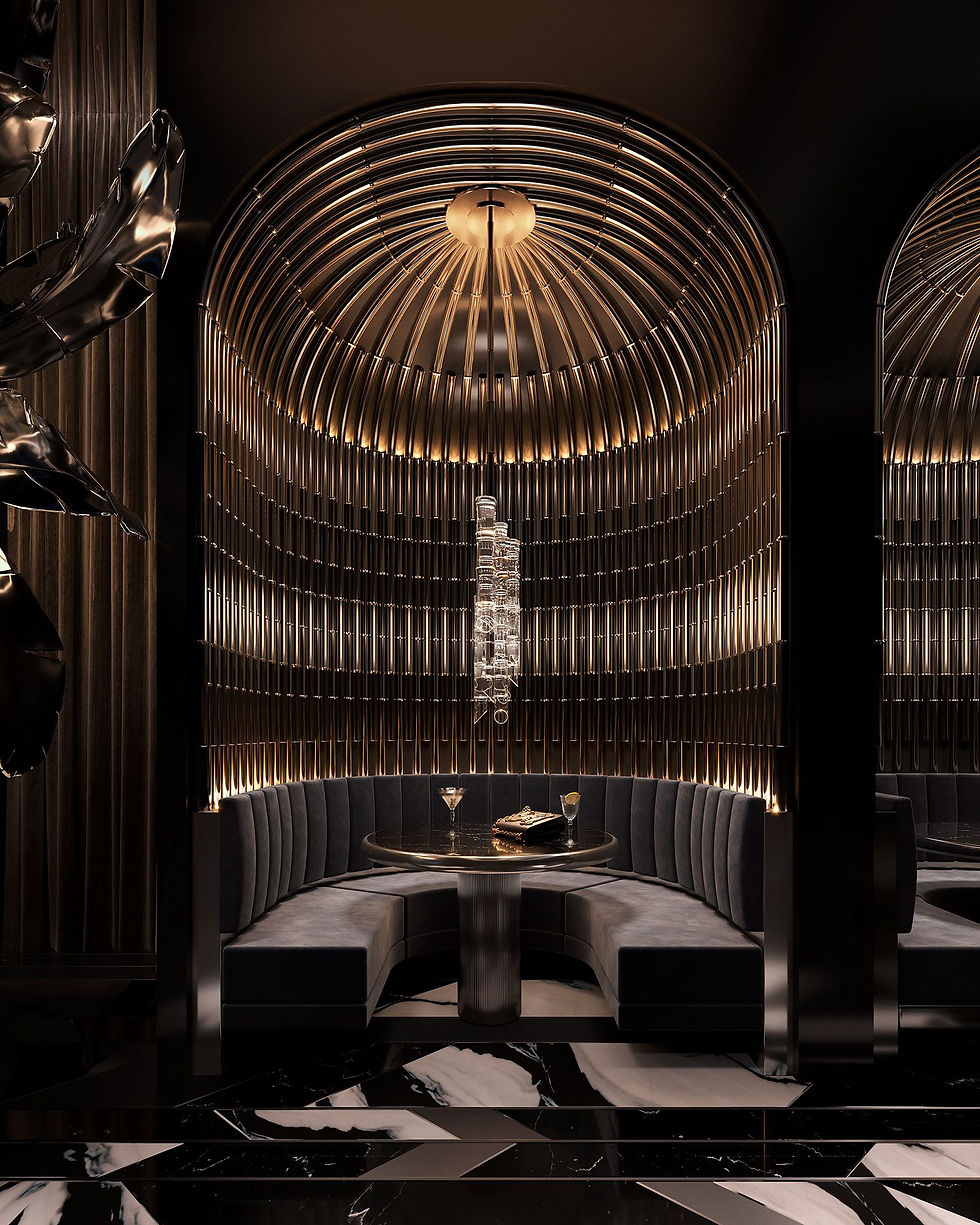
If ELLE whispers chic, Dolce&Gabbana has never exactly been known for whispering. At 888 Brickell, the Italian fashion house is bringing its unmistakably dramatic sensibility to its first real estate project in the United States. The project combines private residences and a hotel and is being developed with JDS Development Group.
The philosophy here feels delightfully simple: Why make an entrance when you can make an ENTRANCE?
Dolce&Gabbana's world has always embraced drama, craftsmanship, Italian heritage and unapologetic glamour. At 888 Brickell, that DNA moves beyond clothing and into the experience of coming home.
This is not the residence for someone whose Pinterest board is titled "Quiet Beige." It's fashion as architecture, and in true Dolce&Gabbana fashion, subtlety isn't really the assignment.
Missoni Baia:
Color Has Entered the Building
Then there's Missoni.
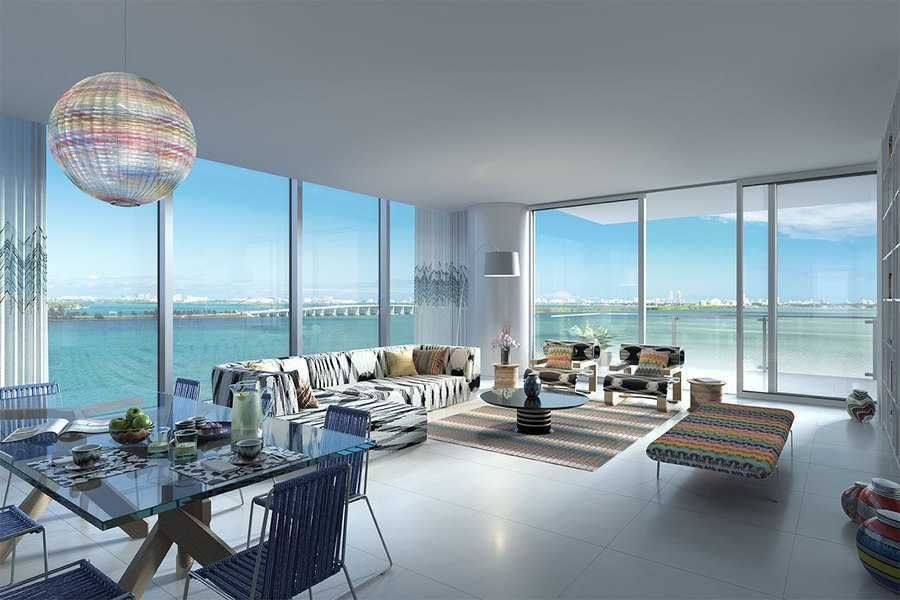
The Italian fashion house made color, pattern and its unmistakable zigzags part of its global identity long before Instagram feeds were carefully color-coordinated. At Missoni Baia in Edgewater, that heritage became part of a waterfront residential experience. The completed tower includes 249 residences overlooking Biscayne Bay, Miami Beach and the Atlantic, with interiors designed by Paris Forino. And this is where fashion's move into real estate starts becoming especially interesting.
Pattern can become texture. A color palette can become an interior. The feeling associated with a garment can inspire the mood of a room. The brand isn't simply decorating a building. It's translating a visual vocabulary from one medium into another. Your Missoni sweater may eventually go out of season. Biscayne Bay views? Considerably harder to retire.
Residences by Armani/Casa: The Art of Restraint
If Dolce&Gabbana is ready for the party, Armani is already seated at the best table looking impossibly composed. Residences by Armani/Casa in Sunny Isles Beach brought Giorgio Armani's refined design philosophy into a 56-story oceanfront residential tower.
The appeal is less about shouting a brand name and more about recognizing its aesthetic. Clean lines. Sophisticated materials. Controlled elegance. It's the architectural equivalent of the perfectly tailored suit: seemingly simple until you look closely enough to realize just how much thought went into making it appear effortless.
And perhaps that's one of the clearest examples of why fashion brands translate so naturally into luxury real estate.
Great fashion isn't only about clothing. It's about proportion, materials, texture, craftsmanship and emotion. Architecture happens to speak many of the same languages.
Fendi Château Residences:
Before It Was Everywhere
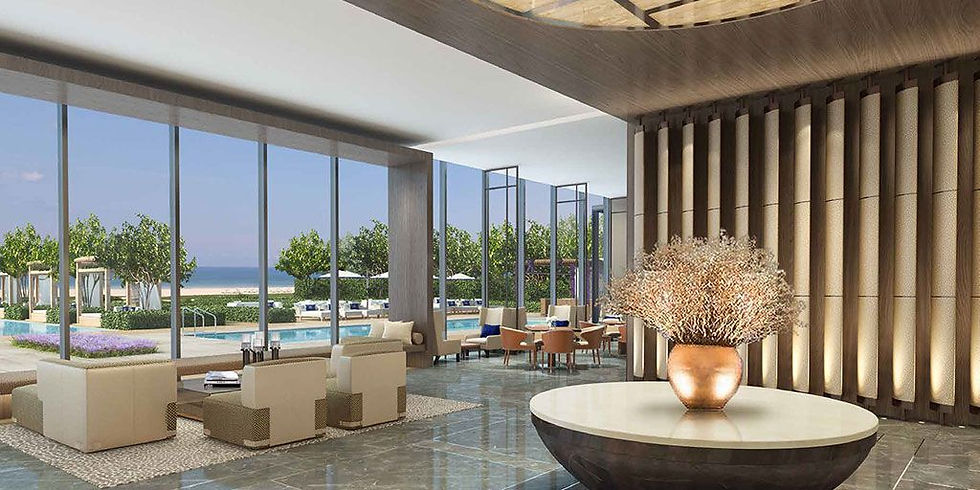
Before fashion-branded residences became one of Miami real estate's favorite talking points, Fendi was already here. Fendi Château Residences opened in Surfside in 2016 and represented Fendi's first branded residential development. The boutique oceanfront property incorporated Fendi Casa into its interiors and became an early example of the fashion-to-real-estate crossover that would become increasingly visible across South Florida.
Looking back, the project feels almost prophetic.
Today, luxury brands are increasingly extending themselves beyond what we wear into where we travel, eat, sleep and live. The luxury label is no longer confined to the label. It's becoming an ecosystem.
But Why Miami?
That's perhaps the most interesting question. Why are so many global luxury brands choosing Miami as the place to experiment with how fashion becomes real estate? Part of the answer may be sitting right outside the window. Miami exists at the intersection of real estate, architecture, hospitality, art, design, fashion and international wealth. It's a city where lifestyle is part of the product—and where a home is often expected to deliver more than bedrooms and Biscayne Bay views. It has to say something. And fashion brands are exceptionally good at saying something without saying a word. A branded residence allows a buyer to purchase not only property, but an association with a particular world. Dolce&Gabbana communicates one thing. Armani communicates another. Missoni another. ELLE another. The address becomes part of personal style.
The New Luxury Label
Which brings us back to Miami Fashion Week. When the shows begin this October, we'll naturally be watching what's coming down the runway. The silhouettes. The fabrics. The colors. The names. But perhaps one of fashion's most fascinating trends won't be on the runway at all. It'll be towering over Brickell, Edgewater, Sunny Isles and Surfside.
Because in Miami, fashion isn't satisfied with deciding what you wear anymore. It wants a say in the lobby. The furniture. The lighting. The pool. And, apparently, your entire address.
Welcome to the era of prêt-à-vivre.


Comments